From Meath and Limerick to Carlow, Kilkenny, Louth and Leitrim, here is how the new Towns and Cities Regeneration Investment Fund breaks down on the ground.
Meath and Limerick
Meath secured €22.65 million for six main projects. They include up to €7.5 million for the Laytown-Bettystown Community Building, €7.2 million to pedestrianise Trimgate Street in Navan and €7.5 million for the Ratoath Civic project.
Limerick City and County Council welcomed about €22.9 million for six strategic projects across the city and county.
Both counties have fast-growing communities, and the funding goes directly into civic space for them.
Carlow and Kilkenny
Eight projects across Carlow and Kilkenny will share €29.7 million.
For two neighbouring south-east counties, that's a substantial investment in their towns and in the public realm.
Louth and Leitrim
Louth received €12.6 million.
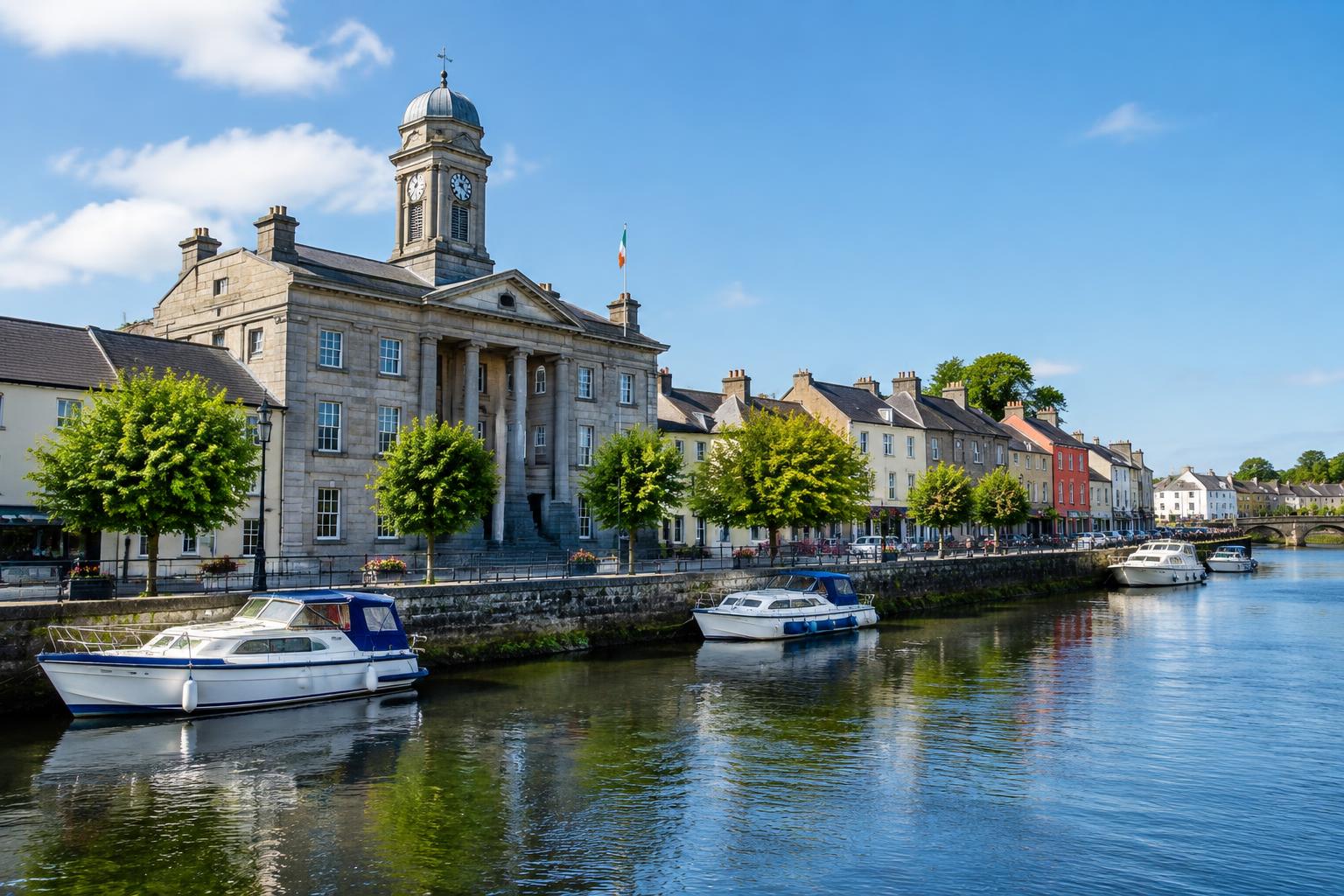
In Leitrim, four Carrick-on-Shannon projects share about €13.65 million, including €7.2 million for the Bridge Street Public Realm Scheme and Town Hall Regeneration.
For a town the size of Carrick-on-Shannon, that level of investment can reshape the town centre and its riverside.
What Residents Will See
Wider footpaths, less traffic on main streets, restored civic buildings and new community spaces: the kind of changes that bring people back into town centres.
Pedestrianised streets like Trimgate Street in Navan usually lead to more footfall for local shops and cafés, as people linger rather than drive through.
New community buildings, such as the one planned for Laytown-Bettystown, give fast-growing towns the civic facilities they need.
Reading the County Allocations Properly
County totals are useful for showing geographic spread, but they can hide major differences between individual projects. A community building in Laytown-Bettystown, a pedestrian scheme in Navan and a civic project in Ratoath have different designs, permissions, users and timelines even when they sit under the same Meath allocation. The same applies across Limerick, Carlow, Kilkenny, Louth and Leitrim. Residents should follow the named local project and its approved scope rather than assume the full county headline is available for any single town.
The word 'up to' matters in these allocations. Funding is normally linked to eligible costs, council contributions and delivery conditions. A project may draw down money as milestones are met, and the final public contribution can reflect procurement and the work actually completed. This does not weaken the announcement; it explains how public investment is controlled. Council meeting papers, planning records and tender notices will show when each scheme moves from an allocation into a contracted programme.
For town centres, sequencing can decide whether the investment earns support. Businesses need access during construction, residents need clear diversion information and public spaces must remain usable for people with disabilities. When work finishes, programming and maintenance help a square, town hall or community building stay active. The projects named across the six counties have the potential to create that activity, but the result will come from local design and management. The next round of reporting should therefore focus on delivery dates and completed benefits county by county.
The county totals contain projects at very different stages. Meath's six include three larger delivery proposals—Laytown-Bettystown Community Building, Trimgate Street in Navan and Ratoath Civic Centre—alongside three €150,000 longer-term design projects. Carlow and Kilkenny's list ranges from the €9 million Butts Regeneration public realm proposal to €150,000 planning allocations. In Louth, the larger named projects include Westgate 2040 in Drogheda and the third phase of the St Nicholas Quarter in Dundalk. Following those named schemes is more informative than comparing county totals alone.
In Meath, the larger allocations include up to €7.5 million for the Laytown-Bettystown Community Building, €7.2 million for Trimgate Street pedestrianisation and €7.5 million for Ratoath Civic Centre. The county also has smaller preparation allocations for Old Spicers Mill, Railway Street and a Trim project. Carlow and Kilkenny's combined list includes public-realm and mobility work as well as feasibility funding. These itemised projects make clear that regeneration is not one standard intervention: each town is using the national programme to address a different local gap.
Local government finance is ultimately about turning annual decisions into visible services. Councillors adopt budgets, set the Local Property Tax adjustment and approve capital programmes, while executive teams manage spending and report on delivery. Some income is restricted to a defined purpose and some supports day-to-day local priorities. Understanding that distinction matters: a large funding announcement may support a multi-year building programme, while a comparatively modest recurring sum can keep libraries, roads, parks and community grants operating every week.
The most useful way to assess a funding decision is to follow it beyond the headline total. Councils still have to complete designs, obtain permissions, procure contractors and meet the conditions attached to national allocations. Published council meetings, budget documents and tender notices provide the milestones. That process protects public money and gives residents a way to see whether a project is moving. It also means an allocation should be described as funding available for delivery, not as a completed building or public space before work has happened.
Local choices remain central even when national government provides the main fund. Elected members decide how local income is balanced across competing needs, and councils shape national programmes into projects suited to their own towns. Public consultation gives residents an opportunity to challenge that balance before decisions are final. The result is rarely one dramatic change; it is a series of choices about housing, streets, amenities and services that together determine what a council can deliver in the following year and beyond.
The Bottom Line
Regeneration money is reaching towns of every size, from Navan to Carrick-on-Shannon, for projects designed to make main streets busier and better places to be.