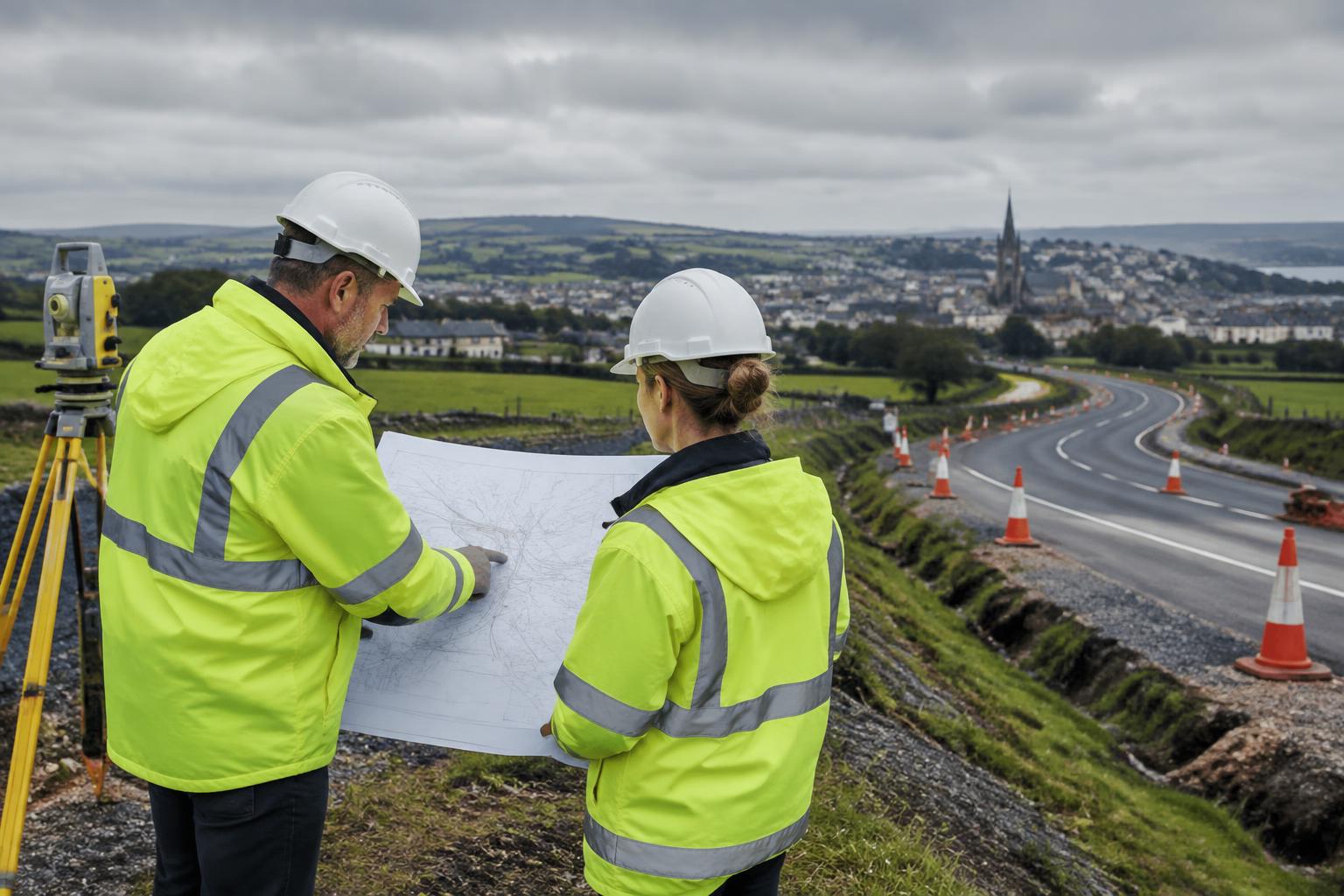
The long-awaited Gorey Inner Relief Road now has planning approval. Wexford County Council engineers are moving it into design and procurement, with major construction targeted for summer 2027.
What Was Approved
The Gorey Inner Relief Road received planning approval in August 2026. Wexford County Council engineers are now working on the next stages, including detailed design and procurement.
The road has been discussed locally for years. With planning approval in place, it now has a clear path to construction.
Why Gorey Needs It
Gorey has grown steadily as a commuter town on the M11 corridor, with good links to both Dublin and Wexford town. That growth has brought more traffic onto the town's main street.
A relief road will take through traffic off Main Street, making the town centre easier and safer to walk around, shop in and do business in. Quieter streets also open the door to wider footpaths, outdoor dining and public space improvements later.
The road will also improve access to land earmarked for new homes, schools and local services, supporting planned growth in the town.
The Timeline
Local TD Fionntán Ó Súilleabháin said the approval "paves the way for major construction to at long last commence on the route in the summer of 2027".
Between now and then, the council will finalise the design, deal with landowners and utilities, and run the tender for a contractor.
Elsewhere on the Region's Roads
In neighbouring Carlow, Transport Infrastructure Ireland approved the next stage of the N80 Leagh Bends safety scheme in August.
That approval lets Carlow County Council engage with landowners, appoint an archaeologist and prepare tender and design documents, moving a long-requested safety improvement closer to construction.
Together, the two projects show south-east councils moving road schemes steadily through the approval process.
The Work Between Approval and Construction
Planning approval settles the broad principle and route, but it does not put machinery on site immediately. Detailed design must turn the approved scheme into construction drawings, while land agreements, utility diversions, drainage and tender documents are completed. Procurement must then produce a contractor at a price and programme the council can accept. The summer 2027 target should therefore be read as the council's intended construction start, subject to those remaining steps rather than as an unconditional date.
For Gorey town centre, the opportunity is to use reduced through traffic to improve the street itself. A relief road does not automatically create safer crossings, wider footpaths or better public space; those benefits depend on follow-on town-centre design and traffic management. Local businesses will also want access and parking arrangements that support trade during and after the change. Linking the road project with a clear plan for Main Street would allow the town to capture more than a transport benefit.
The road's relationship with future development requires the same care. Opening land can support homes and services, but growth should follow the county development plan and arrive with walking, cycling, drainage and community infrastructure. Otherwise a new route can simply generate additional car journeys. The council's next reports should make the design, land and procurement milestones visible. That will let residents distinguish steady delivery from delay and understand when disruption and eventual benefits are likely to reach them.
The formal Part 8 approval was completed by Wexford County Council in July 2026, with the welcome and construction update reported publicly in August. Officially described as the Gorey Relief Road at Ballytegan Avenue, the scheme is intended to connect Ballytegan Avenue and the L5046 Ballytegan Road with the R772. It includes a new bridge over both the R772 and the Dublin–Rosslare railway line and is expected to improve access to land at St Waleran's Demesne. The project is included in the Government's Housing Infrastructure Investment Fund.
The nearby N80 Leagh Bends scheme shows the same step-by-step process at another south-east road project. Transport Infrastructure Ireland's August approval allows Carlow County Council to engage with landowners, appoint archaeological expertise and prepare tender and design documents after the compulsory purchase process. It is a useful comparison because it shows what normally follows a major statutory decision: technical and land work continues before a contractor can begin. Gorey's project will need the same disciplined movement through its remaining stages if the summer 2027 ambition is to become a credible start date.
Council infrastructure projects move through a series of public stages: options and surveys, preliminary design, environmental assessment, planning or statutory approval, detailed design, land agreements, procurement and construction. Funding must often be confirmed again as a project passes from one stage to the next. That can make progress appear slow, but each completed stage reduces uncertainty and brings a project closer to work on the ground. Clear timelines are valuable, provided they remain tied to the approvals and procurement steps that still have to be completed.
The local benefit is usually wider than the piece of infrastructure itself. A road can unlock zoned land and make a town centre safer; a water upgrade can allow approved housing to connect; and a walking route can link homes with schools, shops and public transport. Councils therefore have to judge projects as part of a place rather than as isolated engineering works. The strongest schemes solve an immediate capacity or safety problem while supporting housing, local business and healthier travel over the longer term.
Delivery also depends on coordination that residents rarely see. Local authorities work with national agencies, utility companies, landowners, consultants and contractors, while maintaining access for homes and businesses during construction. Public consultation and environmental assessment are not side issues: they identify problems early and help shape a design that can be built and maintained. The next meaningful update is not another statement of ambition, but evidence that the project has advanced to its following formal stage.
The Bottom Line
With planning approved, Gorey's relief road is on a clear path to construction in 2027. That's good news for a busy town centre and the people who live and shop there.